


When it comes to wood-burning fireplaces, the type of fireplace you have matters just as much as the type of wood you burn. Many homeowners assume all fireplaces operate the same, but masonry fireplaces and prefabricated (factory-built) fireplaces are designed very differently.
Using the wrong type of firewood can lead to poor performance, excess creosote buildup, chimney fires, or even damage to the fireplace system. Understanding the difference helps homeowners and property managers keep their fireplaces operating safely and efficiently.
What Is a Masonry Fireplace?
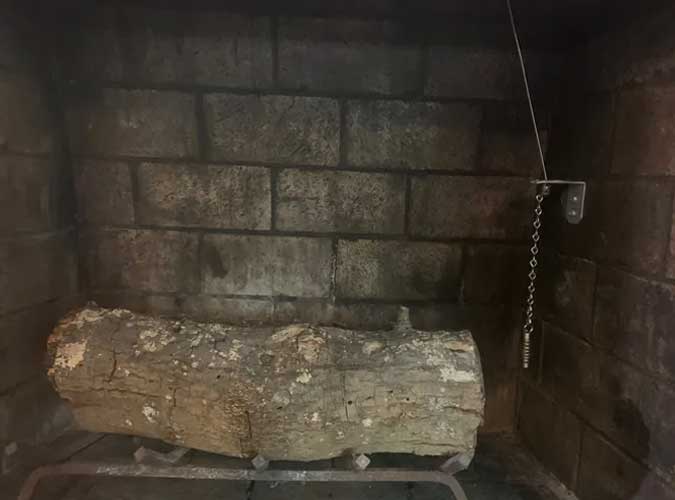
A masonry fireplace is built on site using brick, stone, mortar, and typically a clay flue liner. These fireplaces are known for their durability and traditional appearance. Because they are constructed with thick masonry materials, they can absorb and withstand higher heat levels.
Best Firewood for Masonry Fireplaces
Masonry fireplaces burn best with seasoned hardwoods, including:
Oak
Hickory
Maple
Ash
Hardwoods are dense, which means they burn longer and produce steady heat. When properly seasoned for 6–12 months, hardwood logs contain less moisture, allowing them to burn cleaner and produce less smoke.
Benefits of Burning Seasoned Hardwood
Longer burn time
Better heat output
Less smoke production
Reduced creosote buildup
Even though masonry fireplaces are robust, burning wet or unseasoned wood can still create heavy creosote deposits inside the chimney, which increases the risk of a chimney fire.
What Is a Prefabricated Fireplace?
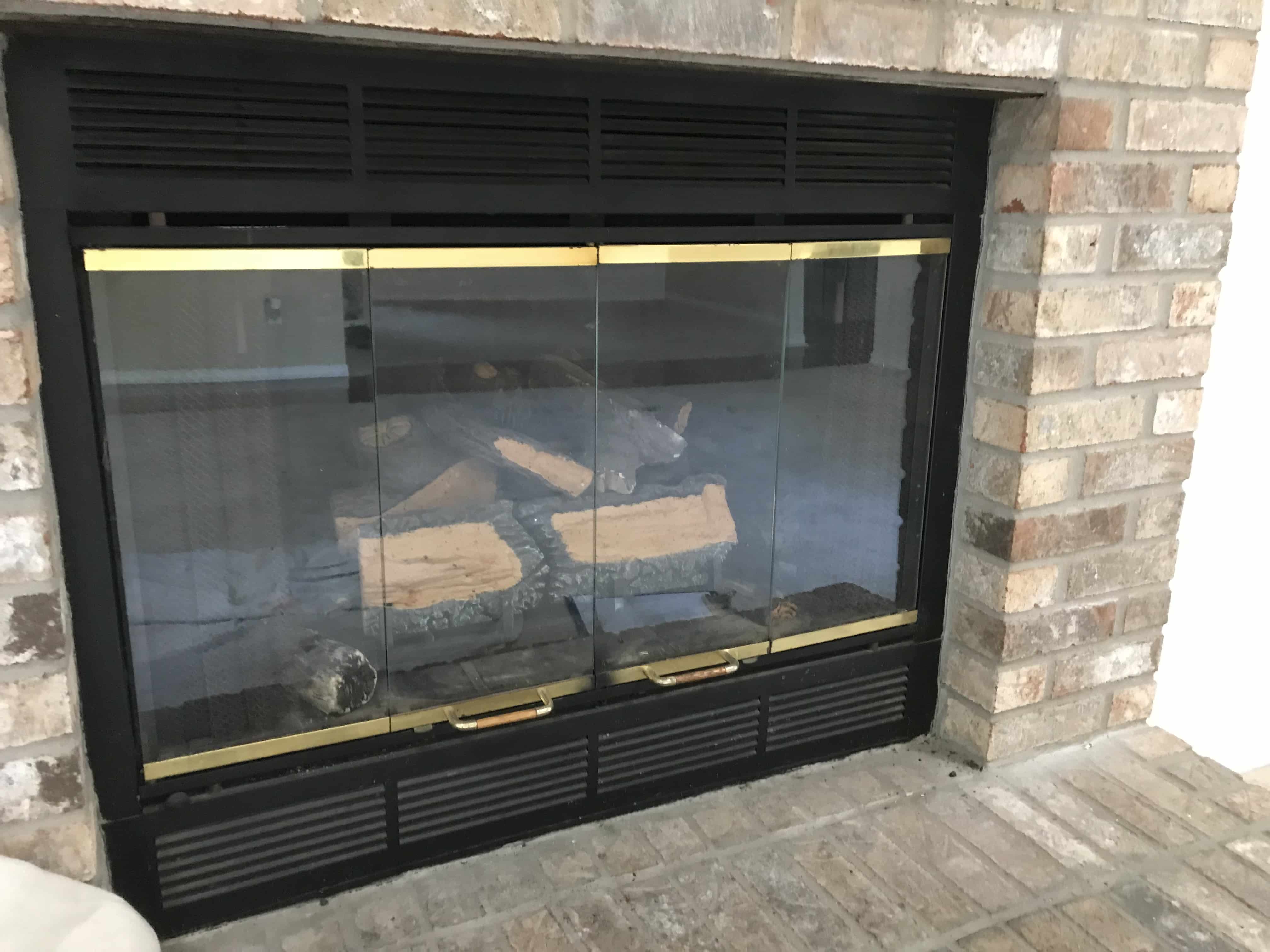
A prefabricated fireplace, often called a factory-built fireplace, is a manufactured metal system installed as a complete unit. These fireplaces are extremely common in modern homes, townhomes, and multifamily communities.
Unlike masonry fireplaces, prefab fireplaces are engineered systems tested for specific operating temperatures. Because of this, they require a little more attention when selecting firewood and building fires.
Best Firewood for Prefab Fireplaces
Prefabricated fireplaces should burn:
Well-seasoned hardwood
Moderate-sized wood splits
Smaller, controlled fires
Large logs or overloading the firebox can cause overfiring, which may warp metal components or damage the firebox and chimney system.
Best Practices for Factory-Built Fireplaces
Use moderate-sized hardwood splits
Build controlled, manageable fires
Never overload the firebox (2-3 logs at a time)
Always follow manufacturer guidelines
Proper firewood helps ensure the system operates safely and extends the lifespan of the fireplace.
Firewood You Should Never Burn
Regardless of your fireplace type, certain materials should never be burned in a fireplace.
Avoid burning:
Treated or pressure-treated wood
Painted or stained lumber
Construction scraps
Trash or cardboard
Plastics or household waste
These materials release harmful chemicals and create excessive smoke and creosote, which can damage the chimney system and pose serious health and fire hazards.
Why Proper Firewood Matters for Chimney Safety
Choosing the correct firewood improves both fireplace efficiency and chimney safety.
Proper firewood helps:
Reduce creosote buildup
Improve heat efficiency
Prevent chimney fires
Protect fireplace components
Extend chimney lifespan
Creosote buildup is one of the leading causes of chimney fires, which is why regular maintenance and inspections are essential.
The Importance of Professional Chimney Inspections
Even when homeowners burn the right firewood, chimneys can still develop problems over time. Creosote buildup, damaged flue liners, or hidden structural issues can all create safety risks.
That’s why certified inspections are recommended by the Chimney Safety Institute of America.
Professional chimney inspections help detect:
Creosote buildup
Flue liner cracks
Blockages or debris
Damage to prefab chimney systems
Early signs of chimney fires
Chimney Inspections in Jacksonville, Florida
For homeowners and property managers in Jacksonville andsurrounding areas, working with a certified chimney company ensures your system is evaluated properly.
The team at Chimney Champions specializes in chimney inspections, maintenance, and safety evaluations for both masonry and factory-built fireplaces, including systems commonly found in multifamily communities.
Regular inspections help identify issues early before they become dangerous or expensive to repair.
Final Thoughts
Whether your home has a traditional masonry fireplace or a prefabricated system, burning the right firewood is essential for safety and performance.
Key tips to remember:
Always burn seasoned hardwood
Use moderate-sized logs in prefab fireplaces
Never burn treated or scrap wood
Schedule regular chimney inspections
By combining proper firewood practices with professional chimney maintenance, homeowners and property managers can safely enjoy their fireplaces while protecting their property and the people inside it.