

 A chimney fire is one of the most dangerous — and preventable — threats to your home during the heating season. Many homeowners don’t realize a fire can start inside the chimney itself, often without obvious warning. Understanding the risks and how to prevent them can protect your home, your family, and your investment.
What Is a Chimney Fire?
A chimney fire occurs when built-up creosote inside your chimney ignites. Creosote is a highly flammable byproduct created when wood burns. Over time, it coats the inner walls of your chimney liner. If the buildup becomes thick enough, a single high-temperature fire in your fireplace or wood stove can ignite it.
Chimney fires can burn extremely hot — often exceeding 2,000°F — which is hot enough to:
Crack or destroy chimney liners
Damage masonry
Warp metal components
Spread flames into walls, attics, and roofs
Even a small chimney fire can cause serious structural damage that may not be immediately visible.

What Causes Chimney Fires?
The most common causes include:
1. Creosote Buildup
Burning wood — especially unseasoned or wet wood — produces more smoke and creosote. Slow, smoldering fires also increase buildup.
2. Poor Airflow
Restricted airflow prevents smoke from exiting properly, allowing residue to accumulate faster.
3. Lack of Regular Cleaning
Failing to schedule professional chimney inspections and cleanings allows flammable materials to build up over time.

Signs You May Be Experiencing a Chimney Fire
Some chimney fires are dramatic and obvious, but others are subtle and slow-burning.
Loud, obvious chimney fire signs:
A loud cracking or popping sound
Dense smoke
Flames or sparks shooting from the chimney top
Quiet chimney fire signs:
A strong, hot smell
Excessive draft
Pieces of creosote falling into the fireplace
Because not all chimney fires are obvious, regular inspections are critical.
The Hidden Damage After a Chimney Fire
Even if a chimney fire appears to extinguish itself, the damage can be extensive. High heat can:
Crack flue tiles
Damage mortar joints
Compromise the chimney liner
Create gaps that allow heat to reach combustible materials
According to safety guidance from organizations such as the National Fire Protection Association, damaged chimneys significantly increase the risk of house fires. A professional inspection is essential after any suspected chimney fire.
How to Prevent a Chimney Fire
Prevention is far less expensive — and far less dangerous — than dealing with the aftermath of a fire.
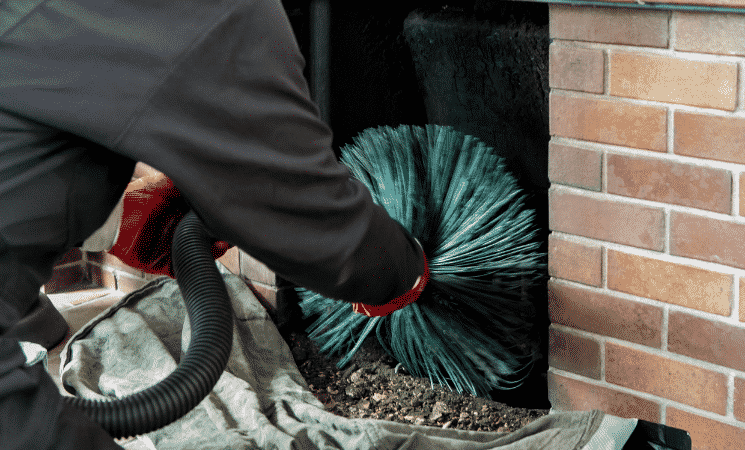
Schedule Annual Inspections
The Chimney Safety Institute of America recommends that chimneys be inspected at least once per year. Regular cleanings remove creosote before it becomes a hazard.
Burn Properly Seasoned Wood
Use dry, seasoned hardwood that has been split and dried for at least 6–12 months. Avoid burning trash, cardboard, or treated wood.
Avoid Smoldering Fires
Build hot, efficient fires rather than slow, smoky ones. Proper airflow reduces creosote buildup.
Install a Chimney Cap
A chimney cap keeps out debris, animals, and moisture that can contribute to blockages and deterioration.
What to Do If You Suspect a Chimney Fire
If you think a chimney fire is occurring:
Call 911 immediately.
Close the fireplace damper (if safe to do so).
Evacuate the home.
Afterward, do not use the fireplace again until it has been professionally inspected and cleared for safe operation.
Protect Your Home Before There’s a Problem
Chimney fires are preventable with proper maintenance and professional care. Annual inspections and cleanings give you peace of mind and ensure your fireplace operates safely and efficiently.
If it’s been more than a year since your last chimney inspection — or if you suspect damage — now is the time to schedule a professional evaluation. Protect your home, your family, and your investment by taking chimney safety seriously. Give Chimney Champions a call to schedule your inspection today!