

chimney care

Masonry vs. Prefab Fireplaces: Why the Right Wood Matters
Not all fireplaces are built the same — and the type of firewood you burn plays a major role in safety, efficiency, and the lifespan of your system. At Chimney Champions, one of the most common issues we see is damage caused by improper burning practices.Whether you have a traditional masonry fireplace or a prefabricated (factory-built) fireplace, choosing the right wood makes all the difference.Masonry (Brick) FireplacesMasonry fireplaces are built from brick and mortar and are designed to handle high heat. While they are durable, they still require the correct fuel to perform properly.Best Wood Choices:Seasoned hardwoods such as:OakHickoryMapleAshThese hardwoods should be dried (seasoned) for 6–12 months before burning. Properly seasoned wood:Burns longer and more consistentlyProduces more heatCreates less smokeReduces creosote buildupBurning unseasoned (green) wood creates excessive smoke and moisture, which leads to creosote accumulation inside your chimney — a leading cause of chimney fires.Prefabricated (Factory-Built) FireplacesPrefabricated fireplaces are engineered … Continued
How Florida Weather Wears Down Your Chimney (And Why Maintenance Matters)
Florida’s climate is uniquely tough on chimneys and fireplaces — whether you have a traditional masonry chimney or a factory-built (prefabricated) system. Even if you rarely use your fireplace, the environment alone can cause wear and tear that leads to costly problems if not addressed.Think of your chimney like your car: even if it spends most of its time parked, it still needs routine maintenance. You wouldn’t skip oil changes and expect your car to last forever, right? The same goes for your chimney or fireplace system.Below, we’ll explore how Florida weather impacts both masonry and factory-built chimneys — and the steps that help protect them for the long run.High Humidity = Hidden DamageMasonry Chimneys: Florida’s constant humidity seeps into bricks and mortar. Over time, this weakens the structure, causes cracks, and can create musty odors.Factory-Built Fireplaces: Excess moisture encourages rust and corrosion on metal fireboxes, dampers, and liners, shortening … Continued
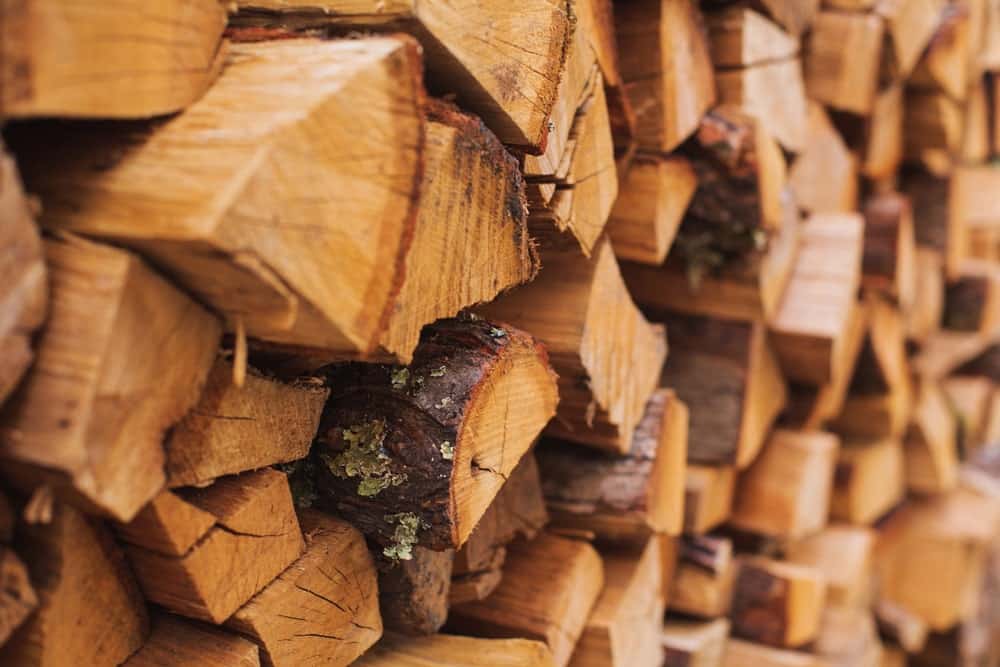
The Best and Worst Types of Wood to Burn in Your Fireplace — And Why It Matters
There’s nothing like the warmth and crackle of a real wood-burning fire. Whether it’s for ambiance or home heating, your fireplace can be a cozy focal point — but only if you’re burning the right kind of wood.Using the wrong firewood can result in excess smoke, poor heat output, creosote buildup, and even dangerous chimney fires. Below, we break down the best and worst types of wood to burn — and why choosing the right firewood is so important for your safety and comfort.Best Types of Firewood for a FireplaceThe best wood for burning is seasoned, dry hardwood. These woods burn longer, cleaner, and produce more heat with less smoke.1. OakOak is one of the most popular firewood choices. It burns slowly and produces steady, high heat. However, it must be properly seasoned — usually 12 to 24 months — for best performance.2. MapleMaple burns cleanly and gives off good … Continued

Chimney Swifts: What They Are, Why They Matter, and Why Your Chimney Needs Professional Care
As we are in the warmer months, chimney swifts are in their annual migration and nesting season across North America. These small birds often find their way into residential chimneys, using them as nesting sites during spring and summer. While they may seem harmless, chimney swifts can bring serious health and fire hazards if chimneys are not properly maintained.Here’s what you need to know about chimney swifts, their seasonal activity, and why proper chimney cleaning and inspection by a certified company like Chimney Champions is essential.What Are Chimney Swifts?Chimney swifts (Chaetura pelagica) are small, fast-moving migratory birds that are often seen darting through the sky at dusk. They were once known to nest in hollow trees and caves, but today, chimneys serve as their primary nesting structures in urban and suburban areas.These birds are unique in that they are unable to perch like most other birds. Instead, they cling to … Continued
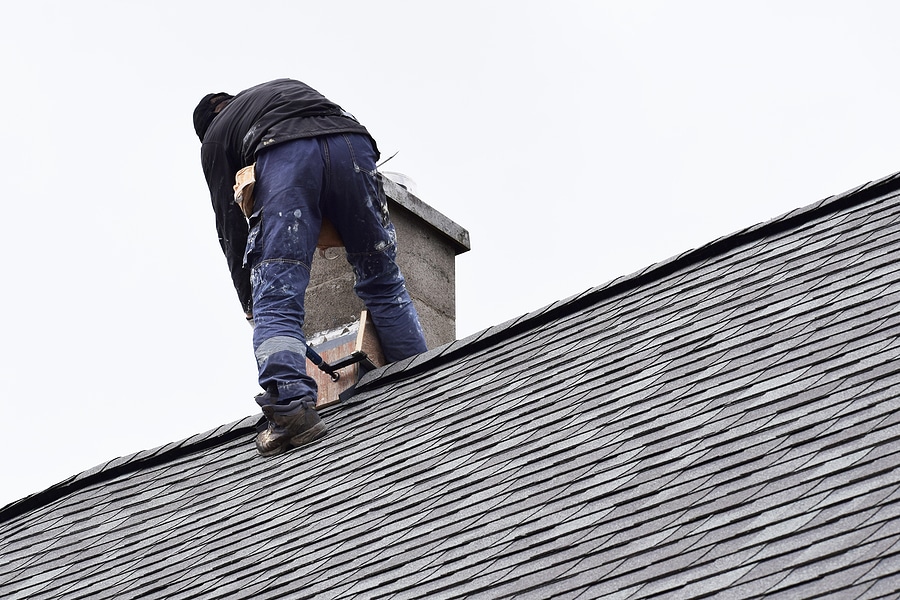
A Guide to Chimney Repairs: Minor vs Major
Owning a home with a fireplace and chimney brings warmth, comfort, and coziness. However, it also comes with responsibility. Over time, your chimney is likely to need repair or maintenance. But, how do you know when a minor repair is enough and when a major repair is necessary? Have no fear! Chimney Champions is here to break it down so you can make the best decision for your home and family.
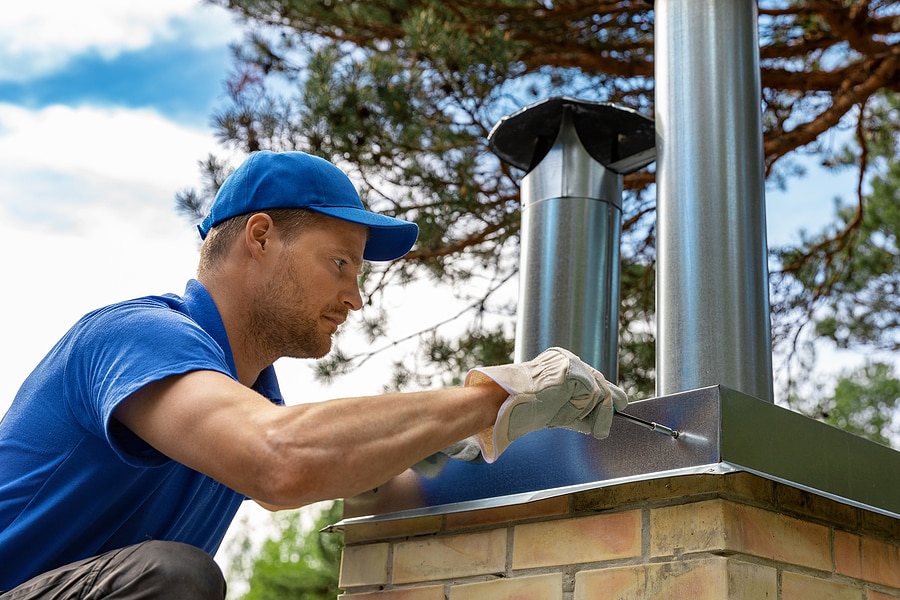
Is Your Chimney Cap Safe?
Chimney caps are an essential part of your chimney system, and they must be in good condition. It should also be situated on the chimney correctly. So, if you’re not sure whether or not your chimney caps are safe, it’s time to call Chimney Champions. But first, let’s discuss the importance of caps, how to tell if yours need replacing, and the benefits of having a cap installed on your chimney.
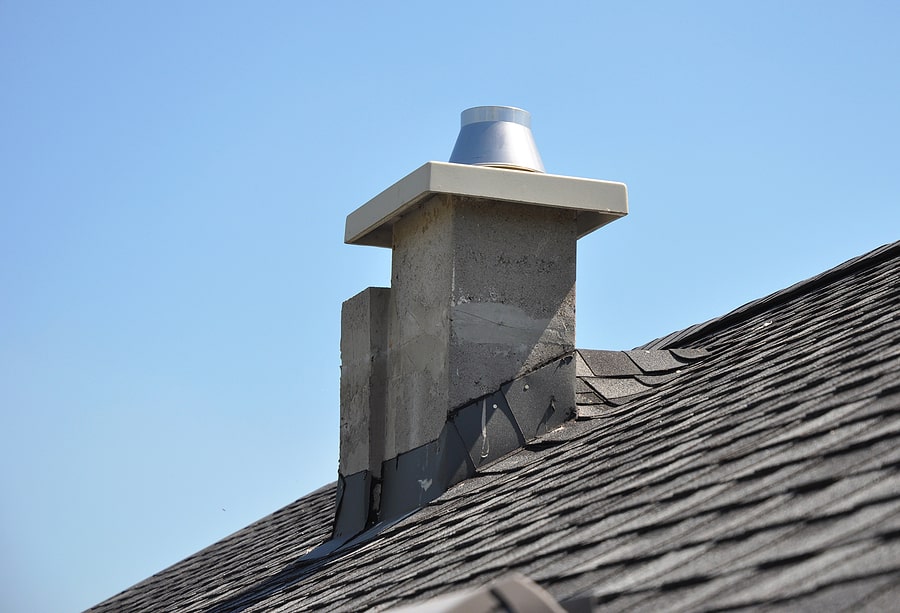
How to Increase Your Chimney’s Lifespan
While most chimneys are durable, many won’t last the lifespan of the home. Unfortunately, this leaves many homeowners spending big to replace or repair them. So, how can you extend the life of your chimney? We’re glad you asked! While regular inspections from Chimney Champions help, there are some other things you can do to prolong the life of your chimney.