

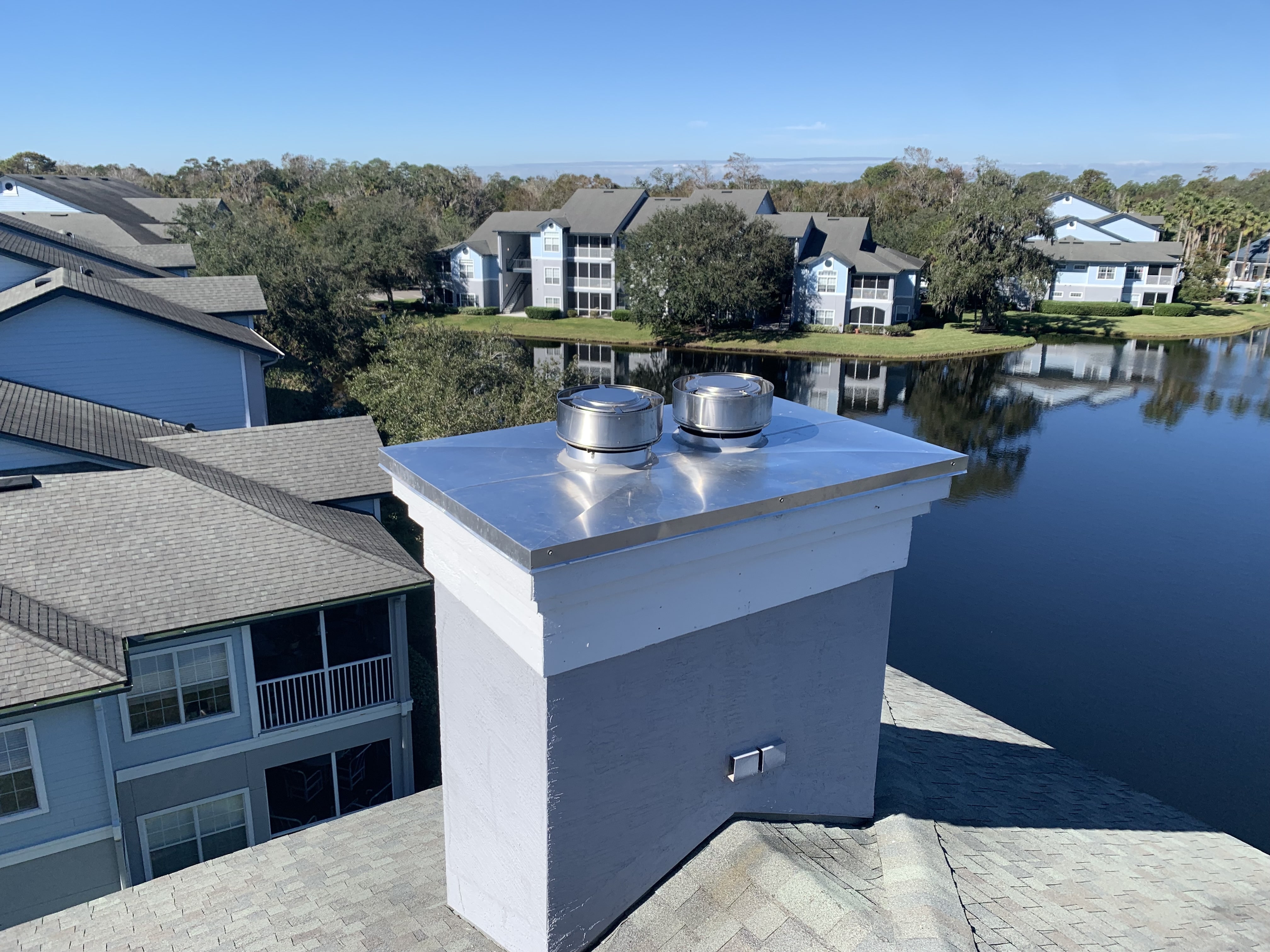
Managing multifamily properties comes with a long list of responsibilities—but one of the most overlooked (and potentially dangerous) areas is the chimney and fireplace; especially here in Florida. While these features add comfort and value for residents, they can also pose serious safety, liability, and financial risks if not properly maintained.
We at Chimney Champions help property managers in Jacksonville, St Augustine, and surrounding areas to stay ahead of these risks with routine inspections, cleanings, and repairs designed specifically for multifamily communities.
Why Chimney Maintenance Matters in Multifamily Properties
Unlike single-family homes, multifamily properties often have multiple units shared within the same chase, meaning one issue can quickly impact several residents. Fireplaces and chimneys that are neglected can lead to:
Fire hazards
Carbon monoxide exposure
Structural damage
Costly emergency repairs
Increased liability for property managers
Regular maintenance isn’t just recommended—it’s essential.
Top Chimney & Fireplace Hazards Property Managers Face
1. Creosote Buildup and Fire Risk
One of the leading causes of chimney fires is the buildup of creosote—a highly flammable byproduct of burning wood. In multifamily settings, fireplaces may be used inconsistently, leading to unpredictable buildup levels.
Without routine chimney cleaning, this residue can ignite and cause a dangerous fire that spreads quickly between units.

2. Carbon Monoxide Exposure
Blocked or damaged chimneys can prevent proper ventilation, causing carbon monoxide—a colorless, odorless gas—to enter living spaces.
This is especially dangerous in apartment buildings where multiple families could be affected before the issue is even detected.
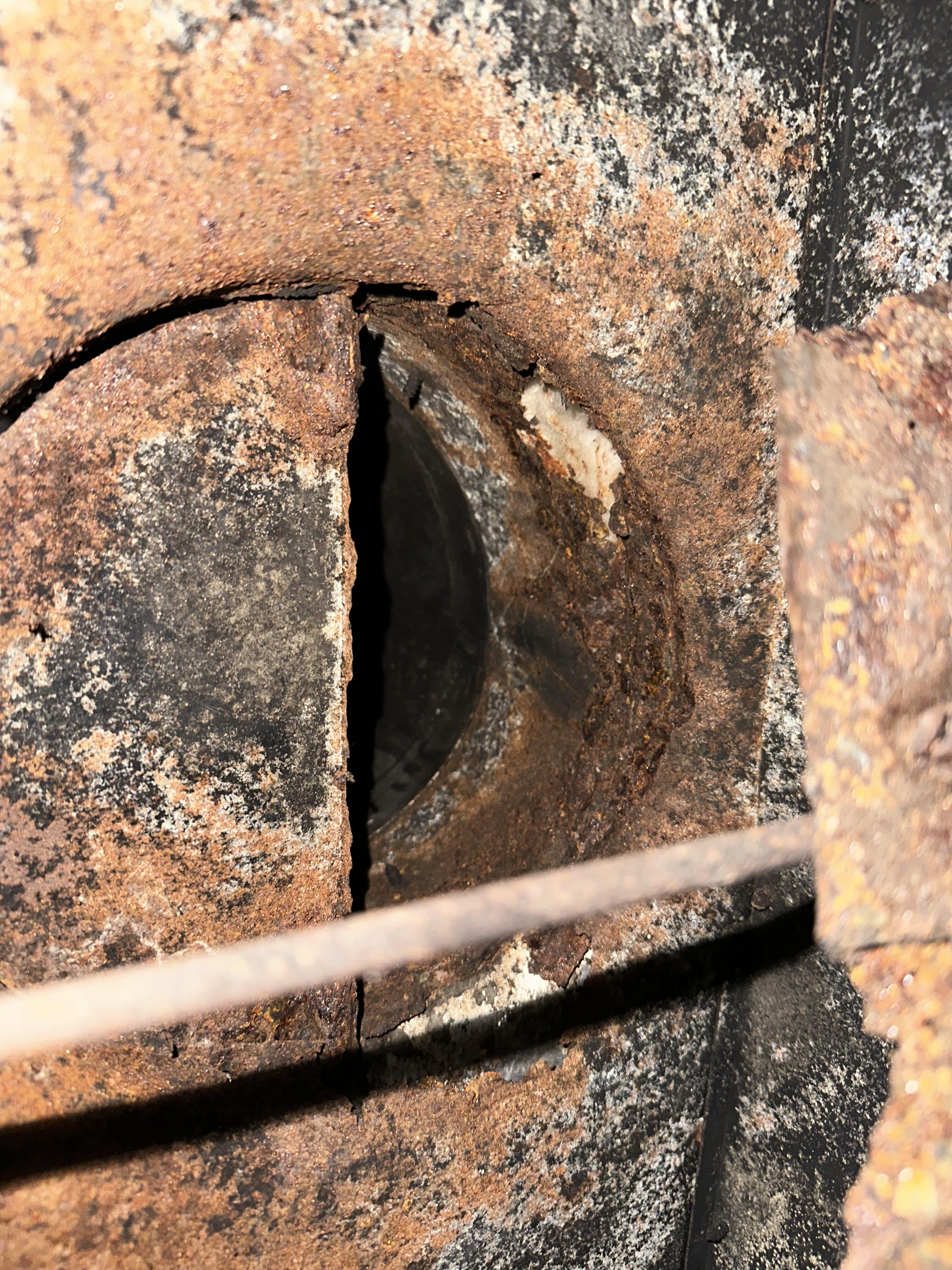
3. Deteriorating Flue Liners
Disconnected or deteriorating venting can allow heat and flue gases to escape to nearby combustible materials. Over time, this can lead to hidden fire hazards or structural damage.
For property managers, this creates a serious liability concern if not addressed promptly.
4. Water Intrusion and Structural Damage
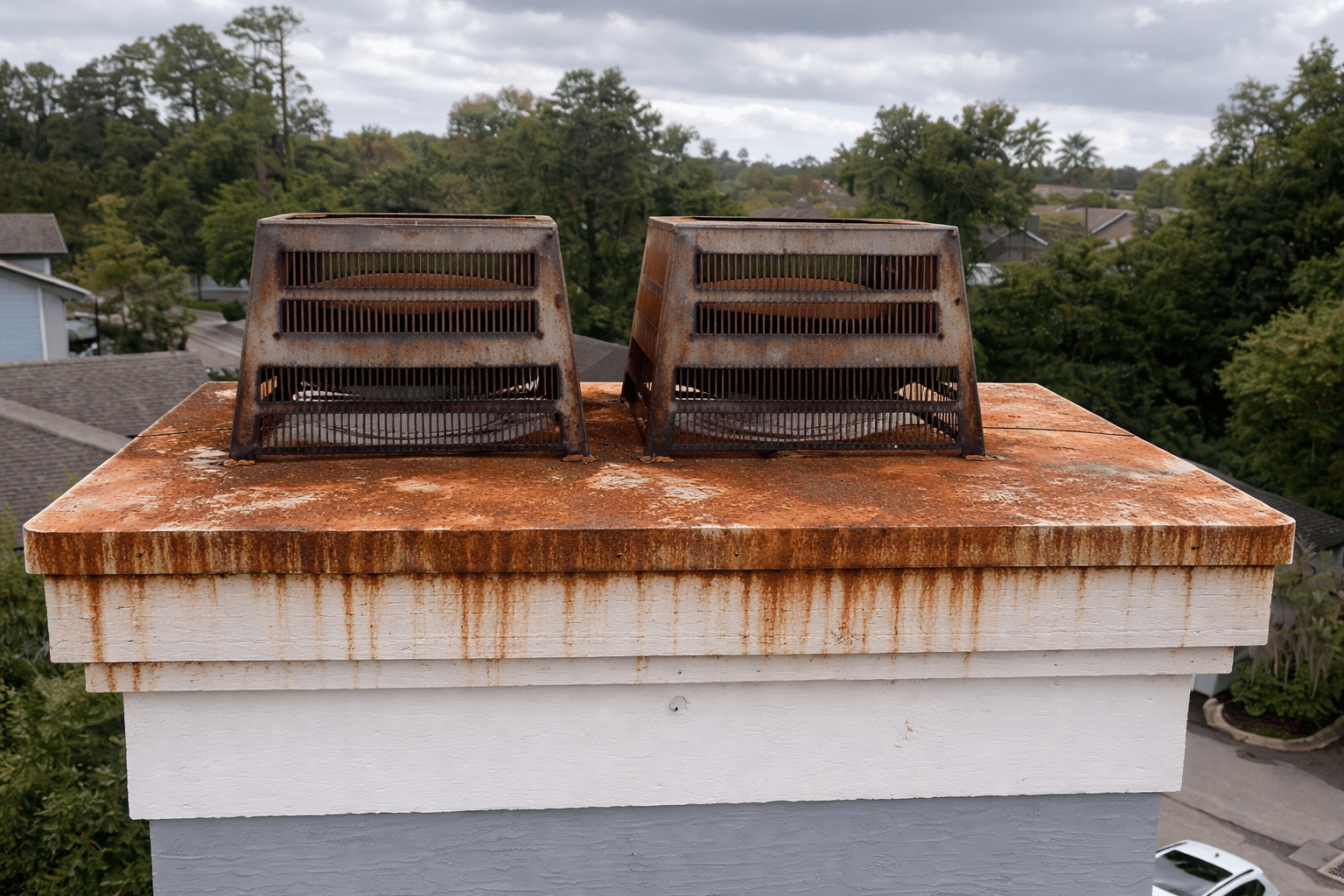
Rain and moisture are some of the biggest enemies of chimney systems. Water can:
Rust exterior metal components
Cause interior leaks
Lead to premature deterioration of the connection points in the venting and firebox
In multifamily properties, water damage can affect multiple units, increasing repair costs significantly.
5. Improper Use by Residents
Not all tenants understand proper fireplace use. Common issues include:
Burning unseasoned or inappropriate wood
Overloading the fireplace
Failing to open dampers
Using accelerants
These behaviors increase the risk of fires and damage, making routine inspections even more critical.
The Liability Risk for Property Managers
As a property manager, you are responsible for providing a safe living environment. Neglecting chimney and fireplace maintenance can lead to:
Insurance complications
Code violations
Tenant injury claims
Legal action
Proactive maintenance is far more cost-effective than dealing with the aftermath of a preventable incident.
The Importance of Routine Chimney Inspections & Maintenance
Partnering with a certified chimney service like us, Chimney Champions ensures your property stays safe and compliant.
We recommend:
Annual chimney inspections and sweeps for every unit
Waterproofing and leak prevention
Clear documentation for your records
All of this is included in the level II inspection and sweep required per the Chimney Safety Institute of America which we are certified under. Routine service not only reduces risk but also extends the lifespan of your chimney systems.

Why Professional Chimney Services Matter
Working with an experienced chimney company provides:
Thorough, code-compliant inspections
Detailed reporting for property records
Efficient scheduling for multiple units
Preventative maintenance plans tailored to your property
This support helps property managers simplify chimney care while protecting residents and their investment.
Final Thoughts
Chimneys and fireplaces may seem like small features, but the risks associated with neglect can be significant—especially in multifamily properties.
By staying proactive with regular maintenance, property managers can avoid costly repairs, reduce liability, and ensure a safe, comfortable environment for all residents.